
Services Lawns and sod
Lawn fertilization and weed control in Rome, GA
Lawn fertilization and weed control in Rome, GA go by the grass: warm-season lawns fed after green-up, fescue in fall and late winter, and crabgrass stopped before it sprouts.
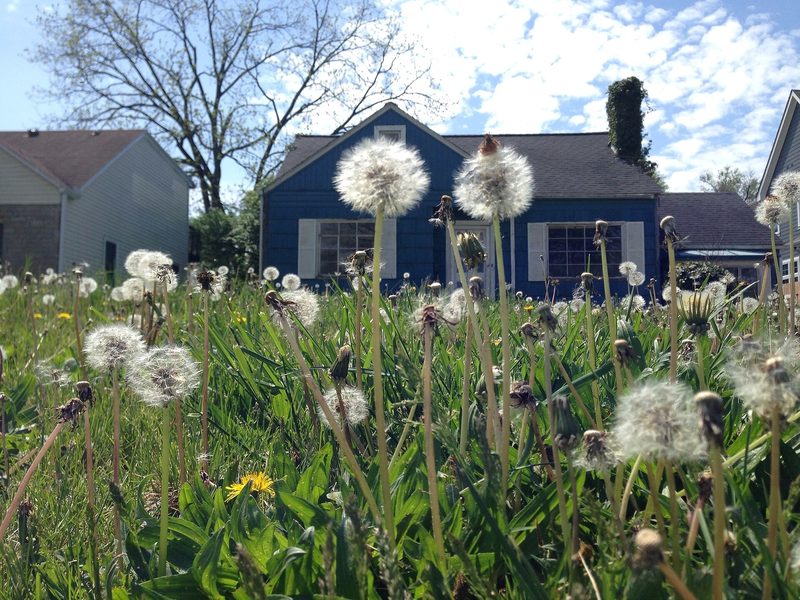
Warm-season lawns and tall fescue feed at opposite times of year. Lawn fertilization runs on a calendar set by the grass, and weed control keeps one of its own.
Lawn fertilization from a soil test
UGA Extension's advice is to apply fertilizer and lime based on a recent soil test. Samples go to the local Extension office or straight to UGA's Agricultural and Environmental Services Laboratories. UGA Extension notes that most Georgia soils are low in pH or in an essential plant nutrient.
One thing the test won't show is nitrogen. UGA says it isn't reported, so the recommendations assume the lawn will need some.
When should you fertilize your lawn?
Each grass has its own window:
- Warm-season grasses, meaning bermudagrass, zoysiagrass, centipedegrass and St. Augustinegrass, once the soil 4 inches down reaches 65 degrees. UGA's Fulton County office says lawns should be fully green by May, a safe time to start nitrogen.
- Tall fescue, a cool-season grass, in the fall and late winter, not in late spring and summer.
Weed-and-feed products follow the same rule. UGA says the ones containing nitrogen should wait until the soil at 4 inches is consistently 65 degrees.
Crabgrass prevention and weed control
Summer weeds are easiest to stop before they sprout. UGA's schedule for established lawns is to apply preemergence herbicides for crabgrass and goosegrass before the soil reaches 55 degrees, with March 1 to 20 recommended in north Georgia. A warm or cold spring moves that window, which is why UGA's Fulton County office watches for blooming forsythia as the sign that spring weeds are about to germinate.
Weeds that get through are treated after they come up. UGA recommends applying postemergence herbicides in the fall and late spring, when cooler air gives the turf better tolerance to them.
New lawns wait their turn. UGA recommends preemergence herbicides only for turf established at least a year, and says that if one went down in the past 60 to 90 days, either skip seeding or wait as late as possible.
Aeration helps nutrients move into the soil, so a compacted lawn may get lawn aeration first, and mowing at the right height with regular lawn care keeps the turf from being stressed. Bare spots can be filled with sod.
Feeding and crabgrass timing
When should I put down crabgrass preventer in north Georgia?
Before the soil reaches 55 degrees. UGA's recommended dates for established lawns in north Georgia are March 1 to 20, and blooming forsythia is a handy sign that the soil is warming up.
Can I fertilize my lawn in the summer?
A warm-season lawn, yes, once it's fully green: summer is when bermudagrass and zoysiagrass grow. Tall fescue, no. UGA says to fertilize it in the fall and late winter, not in late spring and summer.
Where do I get a soil test in Georgia?
Through your county Extension office, or straight from UGA's Agricultural and Environmental Services Laboratories. The results show what lime and fertilizer the lawn needs, all except nitrogen, which the test doesn't report.