
Services Beds and planting
Flower bed installation and planting in Rome, GA
In flower bed installation and planting in Rome, GA, the soil gets the first attention: beds tilled, amended and raised so they drain, then shrubs set at the right depth and flowers matched to the light.
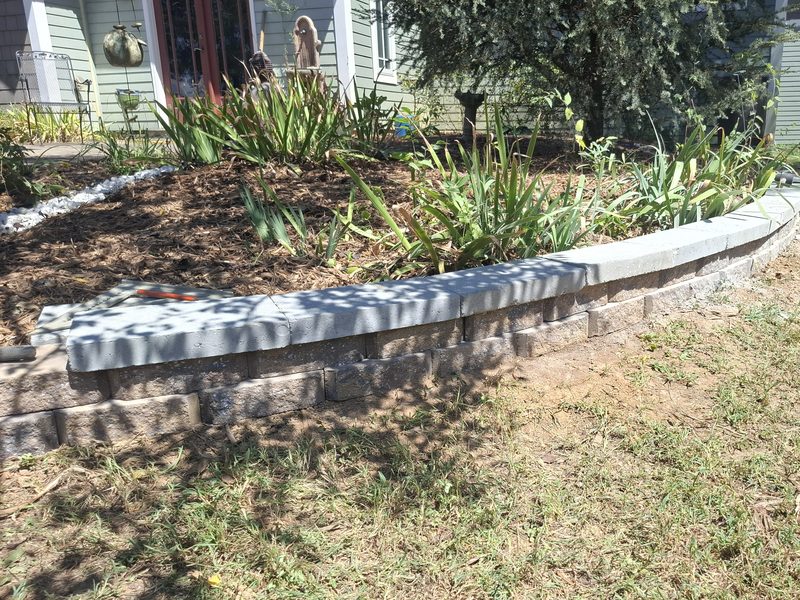
Loose, well-drained soil with plenty of organic matter is what carries new plants through their first summer, which is why flower bed installation begins underground.
Flower bed installation from the soil up
UGA Extension's method for an annual or perennial bed starts with deep tilling of the native soil to improve its structure and drainage. Then the bed gets raised 6 to 12 inches with soil amendments, and UGA calls a 10 to 30 percent increase in organic matter ideal for annuals and perennials.
On extremely heavy soil, UGA goes further: a raised bed 12 to 18 inches high, built of well-drained topsoil, with the sides sloped away from the plants so water doesn't pool around them.
Planting shrubs and trees the right way
Shrubs and trees go in differently. UGA's planting bulletin says to dig the hole at least twice as wide as the root ball and to set the top of the root ball level with the soil surface.
A UGA article adds a simple rule for depth: set each plant at the same soil depth it grew at. That means checking the root ball before it goes in, not guessing from the top of the pot.
Why is fall the best time to plant shrubs?
Most planting happens in spring, but UGA says fall is the best time of year to plant or transplant trees and shrubs. In most of the state, the soil stays warm enough for roots to keep growing through most or all of the winter, so a fall planting has months to settle in before summer heat.
Balled-and-burlapped plants follow the same logic. UGA says they transplant best in the cooler months, October through April, because a large part of their root system is lost in digging.
Fall planting still needs water. The National Weather Service says September and October are the driest months in north Georgia, and Georgia's watering rules allow new plants to be watered at any time during installation and for 30 days after, though a Level 3 drought can add conditions.
Every new bed needs a cover of mulch or pine straw, at a depth that suits the plants. A new layout begins with a landscape design, and drip irrigation can water the beds on their own zone.
Choosing and planting
Should I plant annuals or perennials?
UGA defines annuals as plants that complete their whole life cycle in one growing season, which makes an annual bed easy to redo each year. Perennials come back, but UGA notes perennial beds often take more work.
Do flowers need full sun?
UGA notes that annuals differ in their light needs, with some doing best in full sun and others in shade, so a bed gets planted for the light it actually receives.
Does a planting hole need compost or other amendments?
Not for a single shrub or tree. UGA's planting bulletin says amending one planting hole isn't necessary; backfill with the soil that came out. Amendments belong in whole beds, where UGA wants them tilled in.