
Guides Plants for Georgia yards
Ground cover plants for shade, sun and slopes in Georgia
Ground cover plants are spreading, low-growing plants that cover ground where grass struggles, UGA Extension says: shady spots, slopes and banks, and places that are hard to mow. Check hardiness and light first, since some must have sun and others scorch in it, and make sure the one you choose isn't an aggressive spreader.
Updated November 15, 2026

Cold hardiness is one of the first things to check, UGA says: whether a ground cover is hardy for the area where it'll grow, which our guide to Georgia planting zones helps you answer. Light comes right behind it, because some ground covers must have sun while others scorch in it. After that, it's spacing and time.
What ground cover grows in shade where grass won't?
Start with a plant that wants the shade. UGA's statewide ground cover circular points to cast iron plant, which prefers shade and will often show scorched leaves when it's planted in full sun.
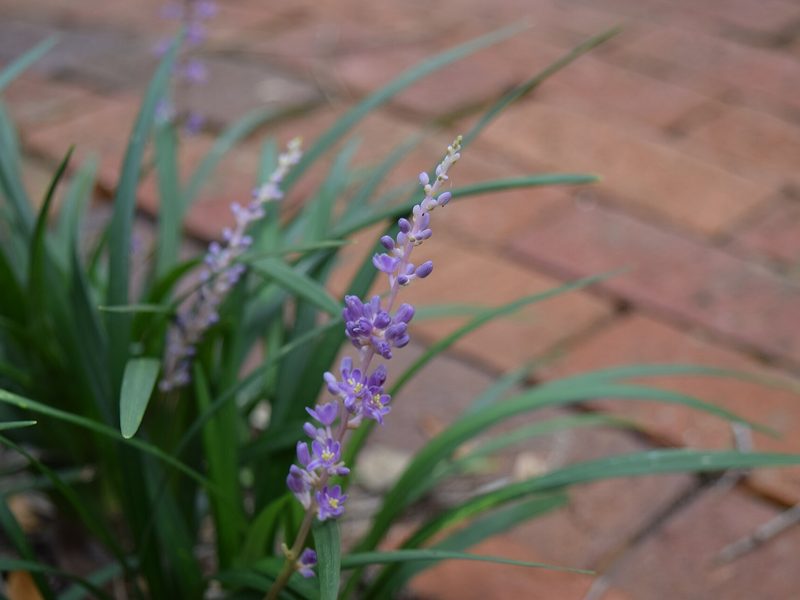
UGA's circular on shaded North Georgia landscapes adds more choices, with Japanese spurge and liriope among them. Liriope, ajuga and dwarf mondograss also appear on UGA's list of ground covers deer rarely browse, which our deer resistant plants guide covers.
Plants like these can stand in for a lawn. UGA says some ground covers are effective lawn substitutes in areas too shady to support grass, which makes them an answer for the bare ground under a big shade tree.
Ground covers for slopes and full sun
On a slope or a bank, the job is holding soil. UGA says some ground covers can control erosion when planted on slopes or banks, and its North Georgia circular names sloped ground and shade as the two common problems many landowners in that forested part of the state face.
For full sun, horizontal junipers are UGA's example of a ground cover that must have it. Planted in shade, UGA says, they grow poorly and become more susceptible to insects and diseases, so they belong on the open, sunny part of a bank.
Mowing is the other reason to give up on grass there. UGA counts areas that are difficult to mow among the places a ground cover can take over from a lawn, and a steep bank is an obvious candidate.
If a bank is already washing out, the ground may need reshaping before anything is planted, and our yard grading and leveling work covers erosion control. On a slope, faster cover also means less bare soil, which is one place where tighter spacing can pay off.
Which ground covers are aggressive or invasive?
UGA says it's often no surprise to learn that many ground covers are considered aggressive or even invasive plants. A plant chosen for how well it spreads doesn't always know where to stop.
The Georgia Exotic Pest Plant Council sorts exotic plants into categories, and UGA notes that no plant in its shade circular is listed in category 1 or 2. Liriope muscari does sit in category 3, which UGA describes as a minor problem. Japanese honeysuckle is another matter: a UGA Extension blog lists it with kudzu and Chinese privet among the council's category 1 plants, so keep it out of the yard.
So before you plant any ground cover, a clump from a neighbor's yard included, check it against the council's categories. A ground cover is supposed to stay where you put it.
How far apart should ground cover plants go?
That depends on how wide the plant will grow. UGA says the spread you can expect from a ground cover determines how far apart the plants are set at first.
You can plant closer than the recommended spacing to get a quicker cover, UGA notes, but it takes more plants for the same area. On a slope that's losing soil, or a bare spot you're tired of looking at, that trade can be worth making.
Some ground covers are slow, too: UGA's North Georgia shade table notes that Japanese spurge may need three or more years before it covers an area.
Timing is the easy part. UGA says container-grown ground covers with well-developed root systems can be planted most any time of year, provided they can be irrigated while they establish. Ground cover planting is one of the jobs in our planting and flower beds service.
Lawn swaps, liriope and juniper
Can ground cover replace grass?
In the right spots. UGA says some ground covers are effective lawn substitutes in areas too shady to support the growth of grasses, or in areas that are difficult to mow, such as a steep bank. Elsewhere, a lawn may still be the better fit.
Is liriope invasive?
UGA's circular on shaded North Georgia landscapes reports that Liriope muscari is in category 3 of the Georgia Exotic Pest Plant Council's list, which UGA describes as a minor problem. None of the shade ground covers in that circular is in category 1 or 2.
Will juniper grow in shade?
Poorly. UGA says horizontal junipers must have sun, and that in shade they grow poorly and become more susceptible to insects and diseases. For shade, look at plants like cast iron plant, which UGA says prefers it.