
Guides Grass and sod
Hydroseeding vs sod for a Georgia lawn
Hydroseeding vs sod comes down to time and ground. Sod covers bare soil the day it's laid, which UGA says is why it's popular. Hydroseeding sprays seed in a mulch slurry that holds it in place, and UGA says it's mainly used on big, steep or hard-to-reach ground.
Updated November 15, 2026
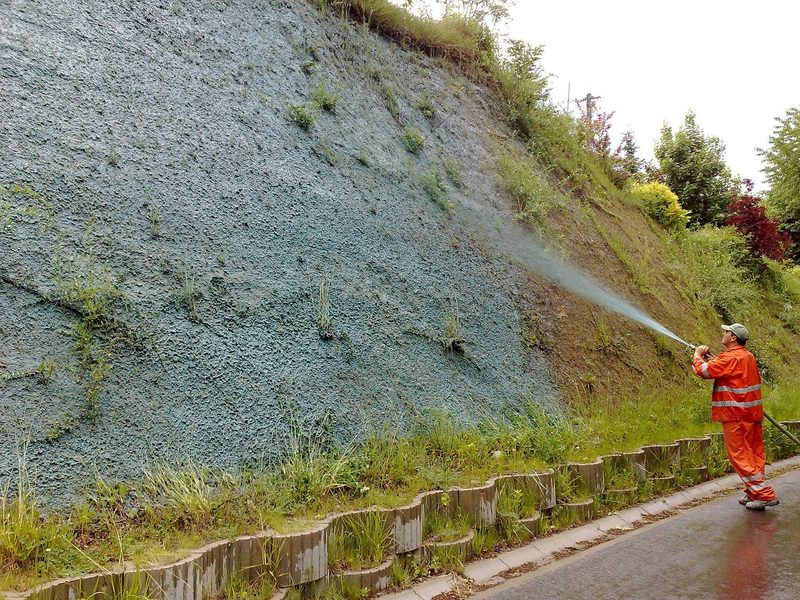

Sod wins on time, and hydroseeding wins on ground. A small, flat front yard on a deadline and a big lot with a raw bank are different jobs, and the two methods split along the same line.
Hydroseeding vs sod, side by side
| Compared | Hydroseeding | Sod |
|---|---|---|
| What goes down | Seed in a water slurry that can carry fiber mulch, fertilizer, lime and tackifiers | Grown turf, cut and laid in pieces |
| Grasses | Only grasses that grow from seed | Seeded grasses plus those that can't be seeded, like hybrid bermuda grass and St. Augustine grass |
| Cover | Builds over weeks; UGA says tall fescue seed sprouts in 5 to 10 days | Complete the day it goes down |
| Early watering | Top inch or two kept moist, not wet, usually with light daily watering for 2 to 3 weeks (UGA) | A first soak within 30 minutes, then daily until rooted, about 2 weeks (UGA) |
| Chosen for | Large, severely sloping or inaccessible areas, in UGA's words | An instant lawn, the reason UGA gives for its popularity |
One difference doesn't fit a table cell. Sod is perishable and has to go down within a day or two of harvest, while hydroseed is mixed on the day: the Green Book, Georgia's erosion-control manual, says to spray it within an hour of mixing.
What is hydroseeding?
It's seeding with a sprayer. Grass seed goes on in a water-based slurry, and UGA lists the extras that can ride in it: cellulosic fiber mulch, fertilizer, lime and tackifiers. The Green Book calls a tackifier a tie-down, one that blends into the slurry and holds seed and mulch to the ground. Our hydroseeding service webpage explains how the spray goes on.
Which Georgia lawn grasses can be hydroseeded?
Only the ones that grow from seed. UGA names centipede grass, most common bermuda grass and two zoysia cultivars, Compadre and Zenith, as warm-season grasses that start from seed, and the slurry carries cool-season seed too, which brings in tall fescue.
That rules out two grasses. UGA says hybrid bermuda grass can't be grown from seed and St. Augustine grass can't be seeded at all; both go in only as sod, sprigs or plugs, so a seed slurry has nothing to carry for them.
Each seeded grass keeps its own planting window, late spring for the warm-season grasses and fall for tall fescue, and the guide to grass seed timing lays them out. For how those grasses compare in sun and shade, see types of grass in Georgia.
Watering each one through the first month
EPD's standing schedule covers both. Anyone may water any day between 4 p.m. and 10 a.m.; new plants, seed or turf can be watered at any time of day while they're being installed and for the 30 days that follow; and hydroseeding is on EPD's list of uses allowed at any time of day.
Those are the standing rules. A drought response level can tighten them, and the level changes with conditions, so check EPD's website for the one in effect before a new lawn goes in.
On a slope, which one holds the soil?
Both can, in different ways. Hydroseeding's mulch works before the grass does: the Green Book says mulch lets more water soak in, cuts runoff, and holds seed, fertilizer and soil amendments in place, while tackifiers tie the whole coat down.
The Green Book's permanent vegetation standard, written for cut and fill slopes and severely eroded or gullied land, covers hydraulic seeding equipment by name.
Those are erosion rules for disturbed sites, not lawn rules. Sod covers a bank the day it's laid, though it takes its own laying method on a slope, which how to lay sod walks through.
Either way, the soil has to be there first. UGA says steep slopes and spots with rock outcrops need at least 12 inches of topsoil for proper maintenance, and building up or reshaping a bank is a job for our yard grading and leveling service.
Hydroseed jobs, from soil prep to first mowing
Is hydroseeding a do-it-yourself job?
Not usually. UGA says hydroseeding takes specialized equipment and is an establishment method best done by professionals. Seed spread with a hand spreader skips the slurry, and with it the fiber mulch and tackifier that keep seed from washing off bare or sloped ground.
When is a hydroseeded lawn ready to mow?
It depends on the grass in the mix. UGA says tall fescue seed is usually mowable 2 to 3 weeks after sowing, and its rule for any new grass is to wait until the blades reach 1.5 times the recommended height. Cutting back to that height then removes a third, within UGA's one-third rule.
Does a hydroseeded lawn still need soil prep?
Yes. UGA calls soil preparation the key to establishing a lawn. The slurry's mulch holds seed in place on bare ground, but it doesn't loosen, clear or level the soil underneath, so that work still comes before the spray.