
Guides Grass and sod
Which type of grass fits a Georgia lawn?
The type of grass in Georgia that suits a lawn starts with one split: warm-season grasses like bermuda grass, zoysia and centipede grass, which UGA lists as adapted statewide, or tall fescue, a cool-season grass UGA places in the Mountains and Piedmont. Sun and shade narrow it from there.
Updated November 15, 2026
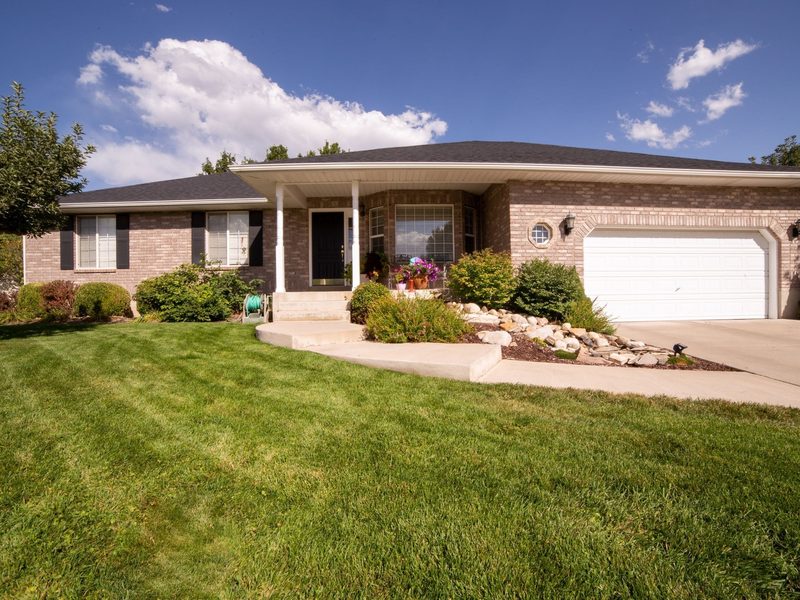
Rome sits in the Valley and Ridge: a Georgia Geologic Survey report places nearly all of Floyd County in that physiographic province. UGA's lawn grass tables work at a broader scale: they sort Georgia into the Mountains, the Piedmont and the Coastal Plain, and they mark some grasses as statewide.
Warm-season or cool-season: where Georgia splits
Every lawn grass falls into one of two groups, UGA says. Warm-season grasses grow best from May to October and turn brown and dormant in winter. Cool-season grasses grow in the cool months of spring and fall and can be stressed, go dormant or take injury in summer.
The two groups don't belong in the same lawn. UGA says mixing cool-season and warm-season species in one lawn should be avoided, so the first choice is really a choice of calendar.
Which lawn grasses suit Rome and northwest Georgia?
Here's how UGA's tables place each lawn grass:
| Grass | Season | UGA's best-adapted region | How it's planted |
|---|---|---|---|
| Bermuda grass | Warm | Statewide | Common types from seed; hybrids as sod, sprigs or plugs |
| Zoysia | Warm | Statewide | Mostly sod, sprigs or plugs; Zenith and Compadre from seed too |
| Centipede grass | Warm | Statewide, best in middle and south Georgia | Seed or sod |
| St. Augustine grass | Warm | Coastal Plain to Piedmont | Sod, sprigs or plugs; can't be seeded |
| Tall fescue | Cool | Mountains and Piedmont | Seed or sod |
So UGA's tables leave four grasses in range for Rome and the towns around it: the three warm-season grasses it lists statewide, plus tall fescue, whose southern boundary UGA sets at Griffin, well south of here. If a sod lawn is the plan, that's the work of our sod installation service.
St. Augustine grass is the weak fit this far north. UGA places it in middle and south Georgia and warns that it handles cold poorly, recovering slowly in spring after a hard winter, and its Georgia Turf webpage lists it for the Coastal Plains, as sod only.
A few more rarely belong on a lawn list here. UGA calls bahia grass a weed in most lawns, better kept for roadsides, soil stabilization and areas where looks don't matter, and it doesn't recommend seashore paspalum for central and north Georgia.
The fine fescues and Kentucky bluegrass are mountain grasses in UGA's table, and ryegrass appears statewide only as a grass for winter overseeding.
Which grass grows best in shade in Georgia?
None of them grows in deep shade: UGA says every lawn grass needs at least 4 hours of full to filtered sun a day. Above that floor, UGA's shade ratings line up like this, most tolerant first:
- fine fescues: excellent to very good (mountain grasses);
- St. Augustine grass and zoysia: very good to good;
- tall fescue: good;
- centipede grass: good to fair;
- hybrid bermuda grass: fair to poor;
- common bermuda grass: very poor.
Those are ratings for each species as a whole. UGA notes that within the species rated good or better, some cultivars handle shade better than others; it says certain zoysia cultivars hold acceptable quality on 4 to 4.5 hours of filtered sun.
Which lawn grasses are on Georgia's exotic plant list?
Three of them, for natural areas. EDDMapS, the University of Georgia's invasive species mapping site, shows these Georgia Exotic Pest Plant Council listings:
- Bermuda grass: Category 2, which the council's list defines as "a moderate exotic plant problem in Georgia natural areas, invading native plant communities and displacing native species."
- Bahia grass: Category 2, the same moderate rating.
- Tall fescue: Category 3, "a minor exotic plant problem in Georgia natural areas, or not yet known to be a problem in Georgia."
- Zoysia, centipede grass, St. Augustine grass and ryegrass: no Georgia Exotic Pest Plant Council listing on EDDMapS.
The list is about natural areas, not lawns or farms, and UGA Extension says it carries no regulatory authority: it's meant to inform land management decisions and raise public awareness. Being listed doesn't make a grass illegal to plant. At home, bermuda grass spreads into flower beds, which the bermuda grass guide covers.
Choosing among Georgia lawn grasses
Which lawn grass stays green through a Georgia winter?
Tall fescue comes closest. UGA's lawn bulletin says it can stay green all year, though its canopy may thin in summer. Warm-season lawns go brown and dormant in winter, and ryegrass sown over a bermuda lawn can color it until the ryegrass dies off in late spring or early summer.
Is zoysia or bermuda grass better for a Georgia yard?
They trade strengths. UGA rates zoysia well ahead of bermuda grass in shade, while bermuda spreads faster and UGA calls common bermuda drought resistant. In a yard shaded by trees, zoysia has the edge, and each grass's own guide covers its mowing and feeding.
Which lawn grasses risk cold damage in north Georgia?
St. Augustine grass, centipede grass and common bermuda grass all carry some risk. UGA expected cold damage on north Georgia's centipede and St. Augustine lawns after the 2014 snow and ice storms, and its species table rates common bermuda's cold hardiness poor, against very good for zoysia.