
Guides Grass and sod
When to plant grass seed in Georgia
When to plant grass seed in Georgia depends on the grass. UGA's seeding table puts common bermuda grass, centipede grass and zoysia seed in the ground from May to June, once the soil 4 inches down stays at 65 degrees or warmer, and it calls the first half of August the last safe stretch.
Updated November 15, 2026
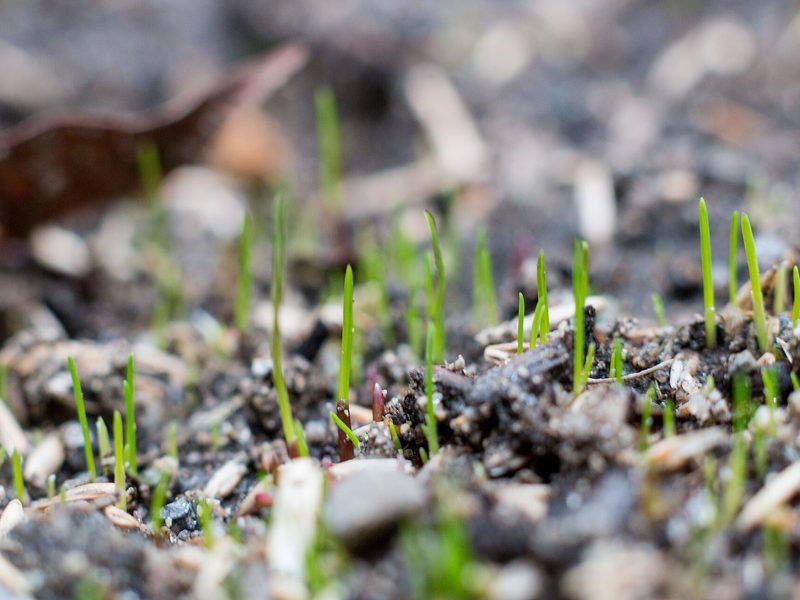

Two soil temperatures run Georgia's seeding year. Warm-season grass seed waits for 65 degrees, measured 4 inches down, in spring. Ryegrass for winter color waits for the opposite: soil cooling toward 75 degrees in fall, with nights in the 50s. Tall fescue keeps its own fall calendar.
The seeding calendar for Georgia lawns
UGA's seeding table gives one window, May to June, to common bermuda grass, centipede grass and the seeded zoysias, Zenith and Compadre. Hybrid bermuda grass and St. Augustine grass aren't on the list, since neither can be seeded.
The far end of the window is softer. UGA's cutoff moves with location, but its advice is to have warm-season seed down by early to mid-August, which leaves seedlings time to build roots before the first cold weather and frost.
Tall fescue runs on a fall calendar instead, with UGA naming September and October as its ideal months; the fescue grass guide covers its whole window. On a large or sloped lawn, any of these seeds can go on as hydroseeding, which follows the same calendar, and hydroseeding vs sod weighs it against laying sod.
Soil temperature, not the date on the calendar
Seed answers to warm soil, and the calendar is only a stand-in for it. UGA's warm-season rule is soil at 65 degrees or warmer 4 inches down, holding there and still rising, which typically arrives in mid to late spring.
Even UGA treats its dates as approximate. Its Basic Turfgrass Management guide says local conditions can shift the schedule by as much as four weeks, which is why the soil reading beats the date.
An established lawn can tell you, too. A UGA specialist ties warm-season green-up to soil reaching 65 degrees, so once nearby bermuda or zoysia lawns have fully greened, the soil has gotten there.
Before sowing, check when the lawn last had a preemergence herbicide. If it went down within the previous 60 to 90 days, UGA's advice is to hold off seeding, or seed as late as you can.
Can you plant grass seed in spring in north Georgia?
Yes for warm-season seed. Mid to late spring is when UGA wants bermuda grass, centipede grass and zoysia seed going down, once the soil is warm enough, and a May start leaves the whole summer for rooting.
Tall fescue is another story. Fall is its season, and UGA generally recommends against seeding it after April, since plants sown in mid to late spring can't root deeply enough for a Georgia summer. Seed that misses fall can go down from mid-February instead; the fescue grass guide has the details.
Should a warm-season lawn be overseeded with ryegrass?
Ryegrass sown over a dormant lawn gives winter color, and UGA treats it as a temporary guest: even perennial ryegrass acts as an annual in Georgia, sown in fall, green through winter and spring, and dead by late spring or early summer. Perennial types have replaced annual ryegrass for overseeding, UGA says, for their better quality, color, stress tolerance and manageability.
The lawn underneath decides whether it's wise. UGA calls bermuda grass the warm-season grass best adapted to overseeding. Its zoysia calendar advises against ryegrass on zoysia, and grasses that spread only by stolons, like centipede grass and St. Augustine grass, shouldn't be overseeded at all.
Even on bermuda grass, ryegrass takes managing. UGA warns that it crowds the warm-season grass for sunlight, water, space and nutrients and adds stress at spring green-up, which can damage the lawn beneath. If you go ahead, UGA's timing is fall, when the soil 4 inches down is cooling toward 75 degrees and nights drop into the 50s.
What do Georgia's watering rules allow for new seed?
New seed needs steady moisture. UGA says the top inch or two of soil should stay moist without turning wet, which usually takes a light watering every day for the first 2 to 3 weeks.
Georgia EPD's standing rules leave room for that:
- Daily outdoor watering is allowed between 4 p.m. and 10 a.m.
- Seed, turf or new plants can be watered at any hour while being installed and for 30 days after the installation date.
- Hydroseeding is allowed at any time of day.
Drought declarations can tighten those rules. EPD's drought fact sheet keeps the two any-time allowances above in place through Drought Response Levels 1 and 2, even as Level 2 limits other landscape watering to two days a week by address. Level 3 prohibits watering just to maintain ground cover, trees and shrubs, and some any-time uses carry added requirements. Levels change with conditions, so check EPD's drought management webpage for the one in effect, and ask your water provider about any local rules, before you seed.
Sprouting, starter fertilizer and fall bermuda seed
How long does grass seed take to sprout?
For tall fescue, UGA says 5 to 10 days, with the new grass ready for its first mowing 2 to 3 weeks after sowing. Full cover takes longer: Texas A&M Extension says lawns grown from seed can reach complete ground cover in about 60 days with good care.
Does grass seed need fertilizer at planting?
UGA works fertilizer into the seedbed as part of preparing the soil, and it says the final grading and mixing should wait until right before planting. How much lime and fertilizer the ground needs comes from a soil test, which UGA's Fulton County office says should guide every application.
Can bermuda grass be seeded in the fall?
Not by UGA's calendar. Bermuda grass is a warm-season grass that turns brown and goes dormant in winter, so fall seedlings would meet the cold before they've rooted. Fall belongs to tall fescue and to ryegrass sown over an established bermuda lawn.